SEO and GEO are common terms discussed in the search engine optimization industry today. Most marketers are familiar with SEO, which stands for Search Engine Optimization, the practice of optimizing websites to improve their rankings in search results, particularly on Google.
GEO, on the other hand, is a relatively new term that has emerged alongside the rise of generative AI tools such as ChatGPT and Perplexity.
Here are top questions about GEO vs SEO answers.
What Is GEO in SEO and What Does It Stand For?
GEO stands for Generative Engine Optimization. It refers to the process of optimizing website content to improve its visibility in AI-driven search experiences, including ChatGPT, Perplexity, Gemini, and Google AI Overviews.
Companies use GEO to increase their chances of appearing in AI-generated responses when users search for queries related to their products, services, or areas of expertise.
For example, a company may use GEO strategies to optimize its website content so it appears in Google AI Overviews for a question like “What is strata law?

Is GEO vs SEO? What’s the Difference?
In our opinion, GEO is not fundamentally different from SEO. At the end of the day, both focus on creating content that answers users’ questions clearly and effectively.
To perform well in both GEO and SEO, businesses must produce useful, detailed, and high-quality website content that aligns with user intent.
How does GEO Integrate with SEO?
At a foundational level, GEO and SEO work together. In both cases, the goal is to create content that answers users’ questions so the content can appear in traditional search results and AI-powered platforms such as ChatGPT and Google AI Overviews.
As more data becomes available on how users search and interact with AI-driven tools, businesses are gaining clearer insights into the types of content that perform well in generative search environments.
Best AI Visibility Tools for Generative Engine Optimization (GEO) Analysis?
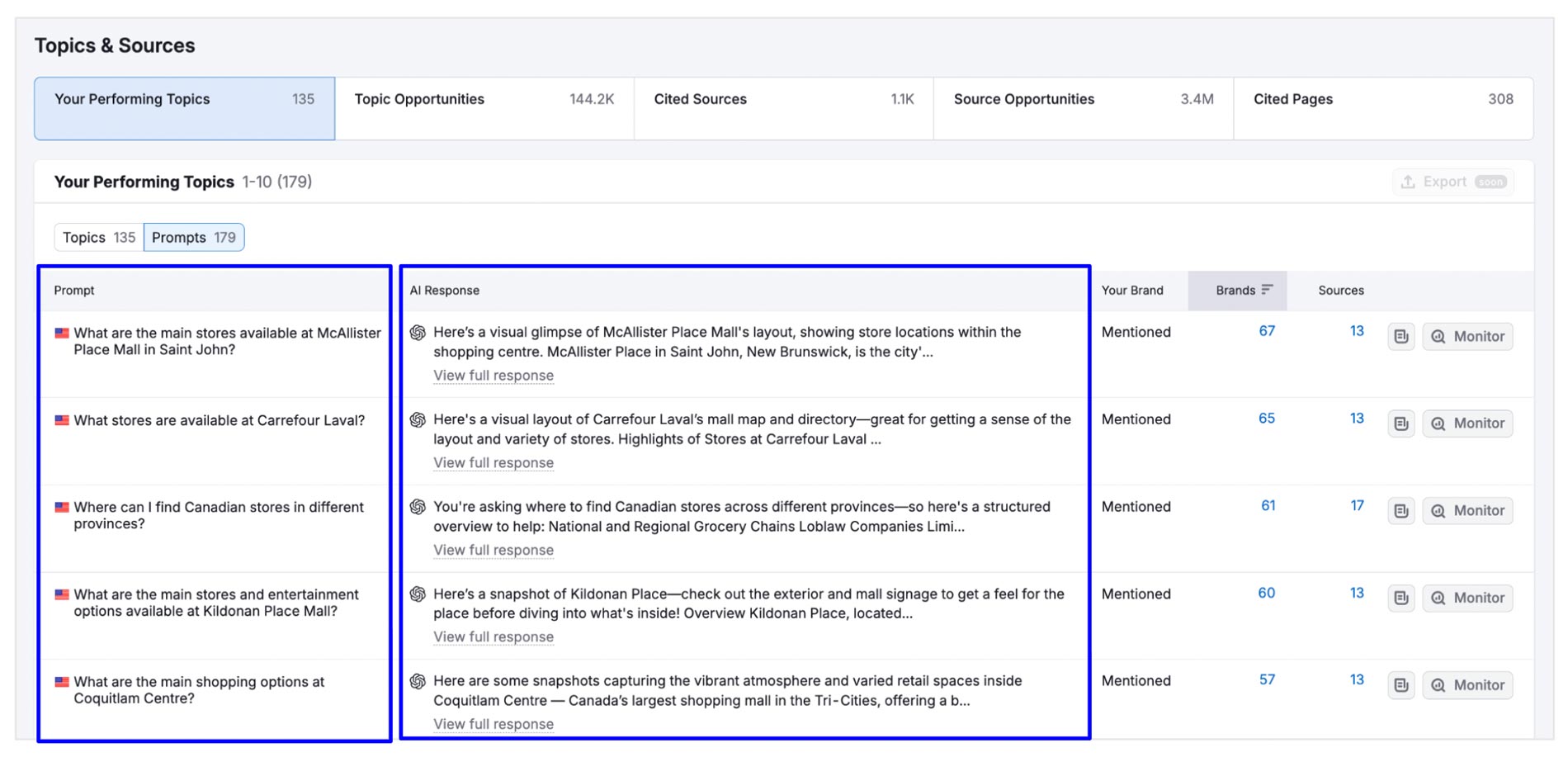
We’ve used the SEMrush AI Visibility Toolkit, which shows the types of prompts a website appears for in AI search results. This tool is helpful for understanding what content is driving AI visibility for a brand, as well as identifying the strategies competitors are using to appear in AI-generated results.